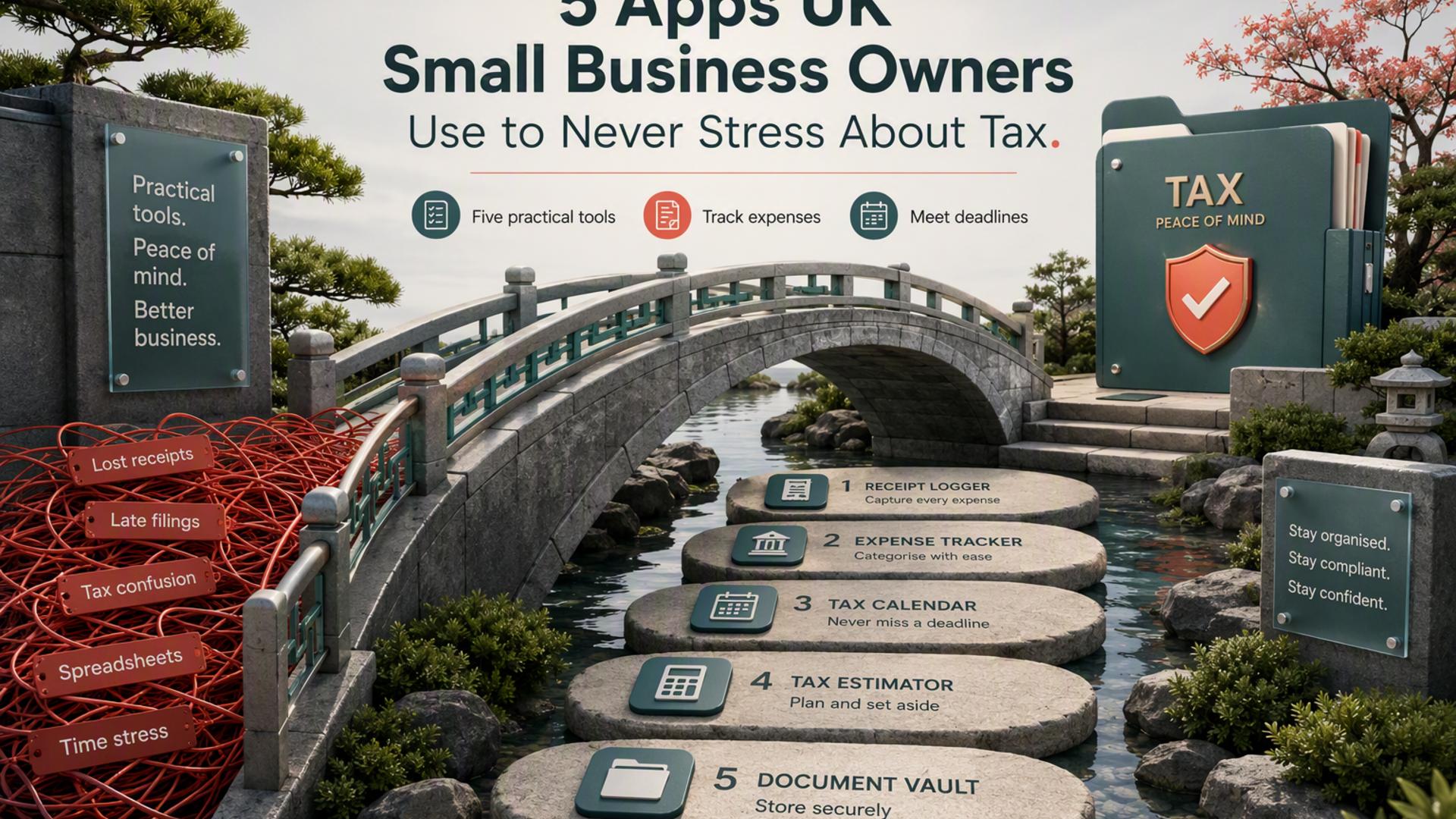
5 Tools That Help Small Business Owners Take the Stress Out of Tax
For many small business owners, tax is the part of operating a business they like least. It is not always because the subject itself is difficult; without suitable processes, it demands an intensive amount of work that people often put off. Finding receipts, matching bank transactions, identifying allowable business costs, and hoping the final numbers are correct before filing with HMRC can create real anxiety for many otherwise assured owners.
Those who feel less pressure are not necessarily more financially skilled. More often, they have incorporated a handful of apps into their regular workflow, allowing most of the work to be completed well before a filing deadline. A typical setup includes the following.
1. Sage: Software for Accounting and MTD
Sage forms the core of this approach. It brings income monitoring, expense classification, invoicing, VAT returns, and Self Assessment together in one system, including direct submission to HMRC. Instead of pulling figures together from multiple places at deadline time, business owners can use Sage to maintain a current, accurate view of their finances all year, turning tax time into a review process rather than a rebuild.
From April 2026, MTD for Income Tax Self Assessment will also make it a legal requirement for sole traders and landlords with earnings above £50,000 to use HMRC-recognised software for quarterly digital submissions. Sage is designed for this requirement already, so users can establish the appropriate routines well before it takes effect.
Why it matters: Maintaining organised, real-time financial information year-round makes tax deadlines more manageable instead of stressful.
2. Plum: Intelligent Saving and Financial Planning
Plum connects with bank accounts and analyses spending to automatically put aside money according to what a user can afford. For small business owners whose income changes from month to month, this responsive approach can be more useful than fixed standing orders that do not account for a slower period.
In addition to saving for tax, Plum can help create reserves for defined business needs, manage changing income levels, and prepare for higher costs. Together, these capabilities support the financial security that can make tax periods feel manageable rather than uncertain.
Why it matters: Greater financial security across the year helps prevent a tax deadline from coinciding with a cash flow problem, reducing the overall strain of business ownership.
3. AutoEntry: Capturing Receipts and Invoices
AutoEntry is a document-capture platform through which business owners can photograph receipts or email supplier invoices. It extracts essential information automatically and sends it into accounting software. This means valid business costs are recorded when they happen instead of being pieced together from recollection several weeks or months afterwards.
The platform integrates directly with Sage, allowing expense data to move across without manual re-entry. It also creates the digital audit trail required by HMRC as a natural result of everyday business activity.
Why it matters: An unrecorded business expense can mean a lost tax deduction. AutoEntry helps ensure expenses are not missed while keeping digital records complete throughout the year.
4. Coconut: A Tax-Saving App for Self-Employed People
Coconut is designed for self-employed people and small business owners. As income comes in, it automatically allocates an estimated amount to a tax pot. Rather than needing to remember to save for a tax bill that may seem distant until January, users receive an estimate of what they are likely to owe and can move funds into a separate pot as payments arrive.
It also offers an ongoing estimate of tax liability, so users can retain an approximate understanding of what is owed to HMRC at any stage of the year. This reduces the concern caused by not knowing what may be due.
Why it matters: Tax deadlines often become financially difficult because the funds have not been reserved when payment is due. By automating tax saving, Coconut reduces this possibility.
5. Dext: Automated Bookkeeping
Dext extends beyond standard receipt capture by automating a substantial part of the bookkeeping work itself. It retrieves information from receipts, invoices, and bank statements, uses business patterns to categorise transactions intelligently, and prepares records in the format required by accounting software.
For owners who prefer books that largely maintain themselves rather than needing frequent manual input, Dext keeps the hands-on work required to maintain accurate records to a low level.
Why it matters: Bookkeeping automation reduces time spent on financial administration and increases confidence that the records used for tax filings are accurate and complete.
Frequently Asked Questions
Must I use all five apps, or are one or two enough?
Accounting software is the key place to begin. If only one action is taken, finances should be moved onto a platform such as Sage and kept current. The remaining apps provide additional benefits over time, and they can be introduced individually as confidence with digital financial management develops. Many business owners find that every extra tool saves substantially more time than it costs.
Can these apps be used by businesses with employees as well as sole traders?
Sage supports both types of business, including plans with payroll features for organisations that employ staff. The other apps listed here are mainly intended for sole traders and small business owners handling their own finances. However, Dext and AutoEntry are also widely used by businesses whose bookkeeping or records are managed by a bookkeeper or accountant.
How do Dext and AutoEntry differ when both can capture receipts?
Each platform handles receipt and invoice capture, although Dext offers wider bookkeeping automation and places greater emphasis on preparing records for an accountant or accounting software. AutoEntry is especially well regarded for accurate data extraction and its seamless Sage integration. Depending on the workflow, some owners choose one platform while others choose the other; both are valid options.
What does Sage do to support the move to MTD for Income Tax Self Assessment?
Sage already operates around the quarterly reporting structure required by MTD for ITSA. For business owners already using Sage, the April 2026 transition should involve little adjustment, as the practice of maintaining digital records and submitting through HMRC-recognised software will already be in place. Quarterly updates then become part of the established workflow instead of an additional obligation.
Is connecting several financial apps to a bank account secure?
Established apps including Coconut and Plum use open banking connections regulated by the Financial Conduct Authority. They obtain read-only transaction information through a secure, authorised route, rather than asking for bank login credentials. Subject to the same regulatory oversight that applies to other financial services, these connections are regarded as safe for normal daily use.